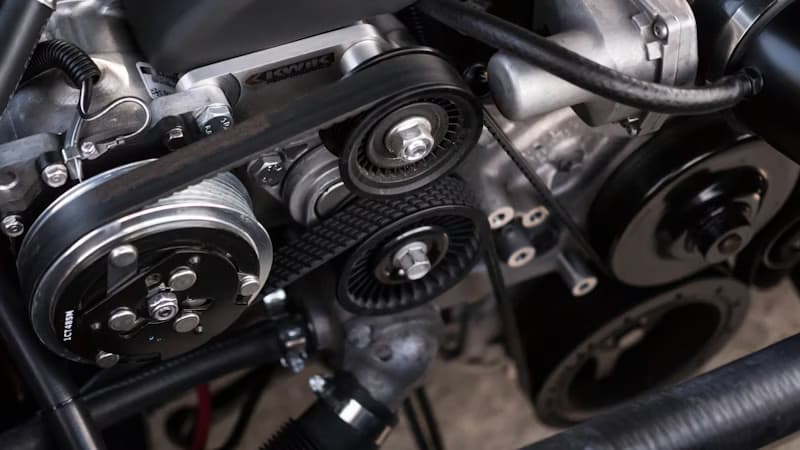
Auto Oil Change Service – Complete Guide
An auto oil change service is one of the most important maintenance procedures for any vehicle. Engine oil plays a critical role in keeping the engine running smoothly by lubricating internal components, reducing friction, preventing overheating, and removing contaminants. Regular oil changes help extend the life of the engine and improve overall vehicle performance.
What Is an Auto Oil Change Service?
An auto oil change service involves draining the old engine oil, replacing the oil filter, and adding fresh engine oil that matches the manufacturer’s specifications. Over time, engine oil becomes dirty and loses its effectiveness, which can lead to increased engine wear and reduced efficiency.
Professional technicians ensure that the correct oil type and filter are used, helping maintain optimal engine performance.
Why Regular Oil Changes Are Important
Regular oil changes provide several key benefits:
1. Engine Protection
Fresh oil creates a protective layer between moving engine parts, reducing friction and preventing premature wear.
2. Improved Engine Performance
Clean oil allows the engine to run smoothly and efficiently, delivering better performance.
3. Better Fuel Efficiency
When the engine runs smoothly with proper lubrication, it consumes less fuel.
4. Reduced Engine Heat
Engine oil helps dissipate heat generated by internal combustion and friction.
5. Longer Engine Life
Routine oil changes remove dirt, debris, and sludge that can damage engine components over time.
Signs Your Car Needs an Oil Change
Your vehicle may require an oil change if you notice any of the following:
The oil change warning light appears on the dashboard
Engine noise becomes louder than usual
Dark or dirty oil when checked with the dipstick
Burning oil smell inside the car
Reduced engine performance
Excess exhaust smoke
Ignoring these signs can lead to serious engine damage.
Types of Engine Oil
During an oil change service, technicians may use different types of oil depending on the vehicle:
Conventional Oil
Standard engine oil suitable for many older vehicles.
Synthetic Oil
High-performance oil that offers better protection, improved temperature resistance, and longer change intervals.
Synthetic Blend Oil
A mix of conventional and synthetic oils that provides improved protection at a lower cost.
High-Mileage Oil
Specially designed for vehicles with 75,000+ miles, helping reduce leaks and oil consumption.
Recommended Oil Change Interval
The recommended interval depends on the vehicle type and oil used:
Conventional Oil: every 3,000 – 5,000 miles
Synthetic Blend: every 5,000 – 7,500 miles
Full Synthetic Oil: every 7,500 – 10,000 miles
Always follow the manufacturer’s recommendation for the best results.
What’s Included in a Professional Oil Change Service
A typical oil change service includes:
Draining old engine oil
Replacing the oil filter
Refilling with new engine oil
Checking fluid levels
Inspecting engine components
Resetting the oil change indicator
Basic vehicle inspection
Many service centers also perform a quick safety inspection to ensure the vehicle is in good condition.
How Long Does an Oil Change Take?
A standard oil change service usually takes 15–30 minutes at a professional service center. However, the time may vary depending on the vehicle model and additional inspections.
Why Choose Professional Oil Change Services
Professional technicians provide several advantages:
Correct oil type and viscosity
Proper oil filter replacement
Safe disposal of old oil
Professional inspection of engine components
Faster and cleaner service
This helps ensure that the vehicle stays in top condition.
Tips to Maintain Engine Health
To keep your engine running smoothly:
Check the oil level regularly
Follow the recommended oil change schedule
Use high-quality engine oil
Replace oil filters on time
Address warning lights immediately
Conclusion
An auto oil change service is a simple yet essential part of vehicle maintenance. Regular oil changes protect the engine, improve performance, increase fuel efficiency, and help avoid expensive repairs. Keeping up with scheduled oil changes ensures your vehicle remains reliable, efficient, and ready for the road.